Field notes: the lake nobody had sampled in three years finally showed up on the list
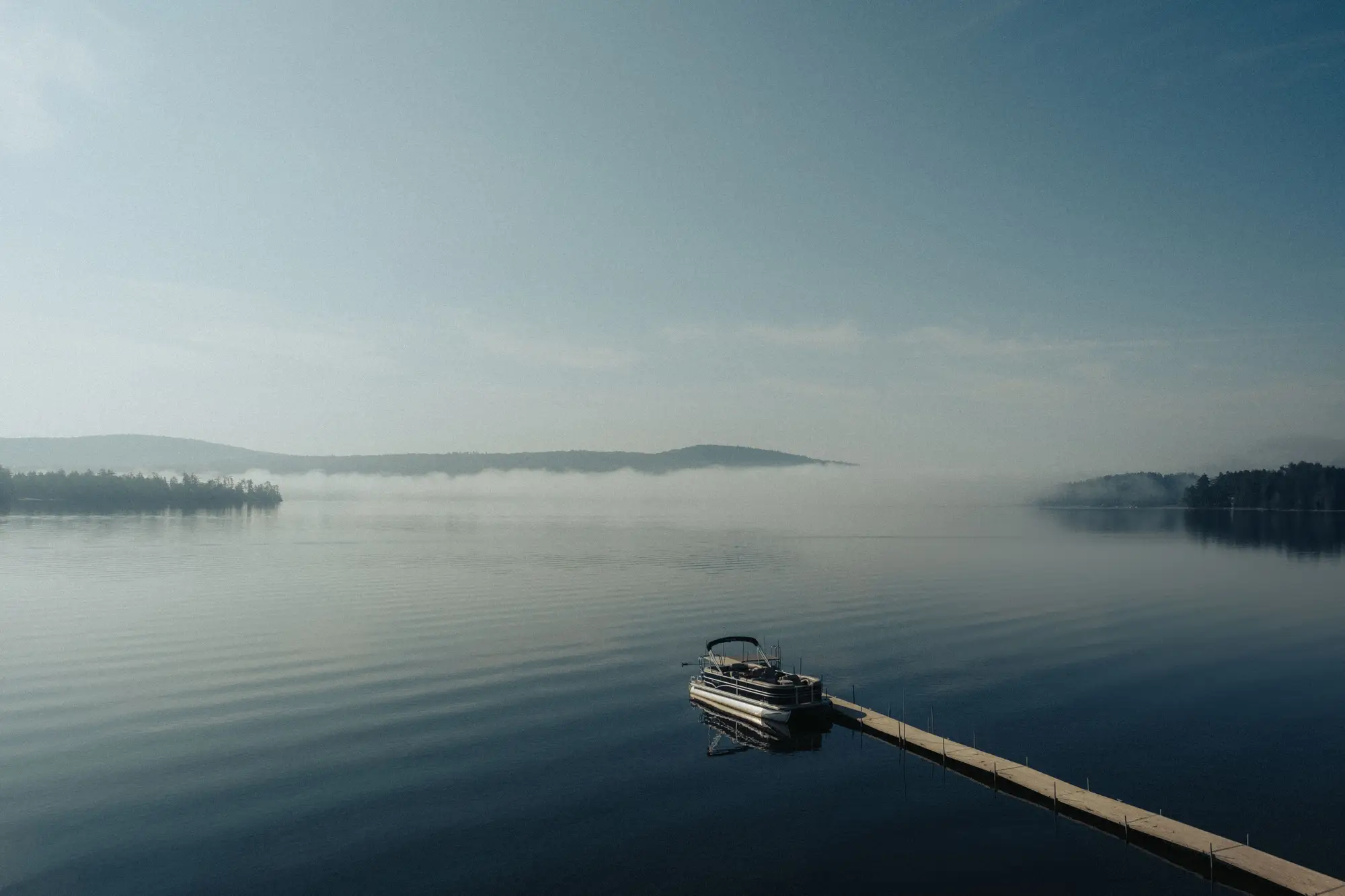
There's a reservoir in our region, a 40-acre kettle lake tucked behind a gravel pit, that hasn't had a boat on it since the summer of 2023. Not because anyone decided it wasn't worth watching. We just ran out of boat days. Every spring the sampling schedule gets built around the lakes that matter most to supply, the ones with intakes, the ones that get summer blooms bad enough to shut a beach. A small kettle lake with no intake and no public access slides to the bottom of the list every year, and every year it stays there.
I found it again two weeks ago. It showed up in the weekly batch with everything else in the region, a number, a clarity reading, a chlorophyll trend line with three points already on it, and that's the only reason I noticed it at all. I hadn't requested it. It was just there, the way the lake with the intake was there, the way the lake with the swimming beach was there.
Chlorophyll-a sat in the low-moderate range and turbidity was unremarkable. Nothing on that reading would have sent me out with a cooler and a boat on its own. But three years with no data at all is its own kind of problem, and closing that gap mattered more than any single number did. We'd had no idea whether that lake had been trending up or holding steady since the gravel operation expanded its footprint on the north shore. Now we have a baseline and a direction, built from a few weeks of weekly passes instead of a boat trip we were never going to schedule.
This is the part of the job that doesn't get talked about much outside the shop. Most of what comes up at budget meetings is the flagship lake, the one with the bloom that made the local paper, the one the board asks about every quarter. Almost nobody asks about the lake nobody's heard of. But the inventory doesn't care about your priorities. A region has however many water bodies it has, and liability doesn't scale down just because a lake is small and quiet.
Watching it costs nothing extra now. Once a wide-swath pass covers the region, every lake in the swath gets a reading, the famous ones and the forgotten ones alike. The marginal cost of adding one more water body to the list is close to zero, because the satellite was already flying over it on the way to the one you actually asked about. That's a different kind of math than a boat and a crew and a drive time, where every additional stop is a line someone has to defend in a budget meeting.
I went back through the memo numbering for that lake out of curiosity. Memo 1 was three weeks ago, and before that there's just a gap on a spreadsheet where three years of trend line should have been. Feeling relieved about a lake you'd mostly forgotten is an odd thing, but that's what this was. Three years is long enough for a small lake to change in ways nobody notices until it shows up as a complaint at a town meeting.
The site that runs these regional passes is built around exactly this problem, turning a weekly flyover into a numbered memo for every lake in a region, not just the handful anyone remembers to ask about. If you've got a kettle lake of your own sitting at the bottom of the sampling list, it might already be on a list somewhere, waiting for someone to look.