Notes on reading source lakes
 Field notes: the week two neighboring reservoirs told opposite clarity stories
Two reservoirs ten miles apart, same week, same storm front, opposite clarity trends. A field note on why lakes don't move together.
 Turbidity vs. total suspended solids: what's actually different
Turbidity and TSS get used interchangeably in source water reports. Here's what each one measures and why the two numbers rarely match on the same lake.
- Cloud cover and your weekly lake pass: what actually gets missed
How cloud cover affects a weekly optical pass over source lakes, what a missed week costs your clarity trend, and how wide-swath revisit covers the gap.
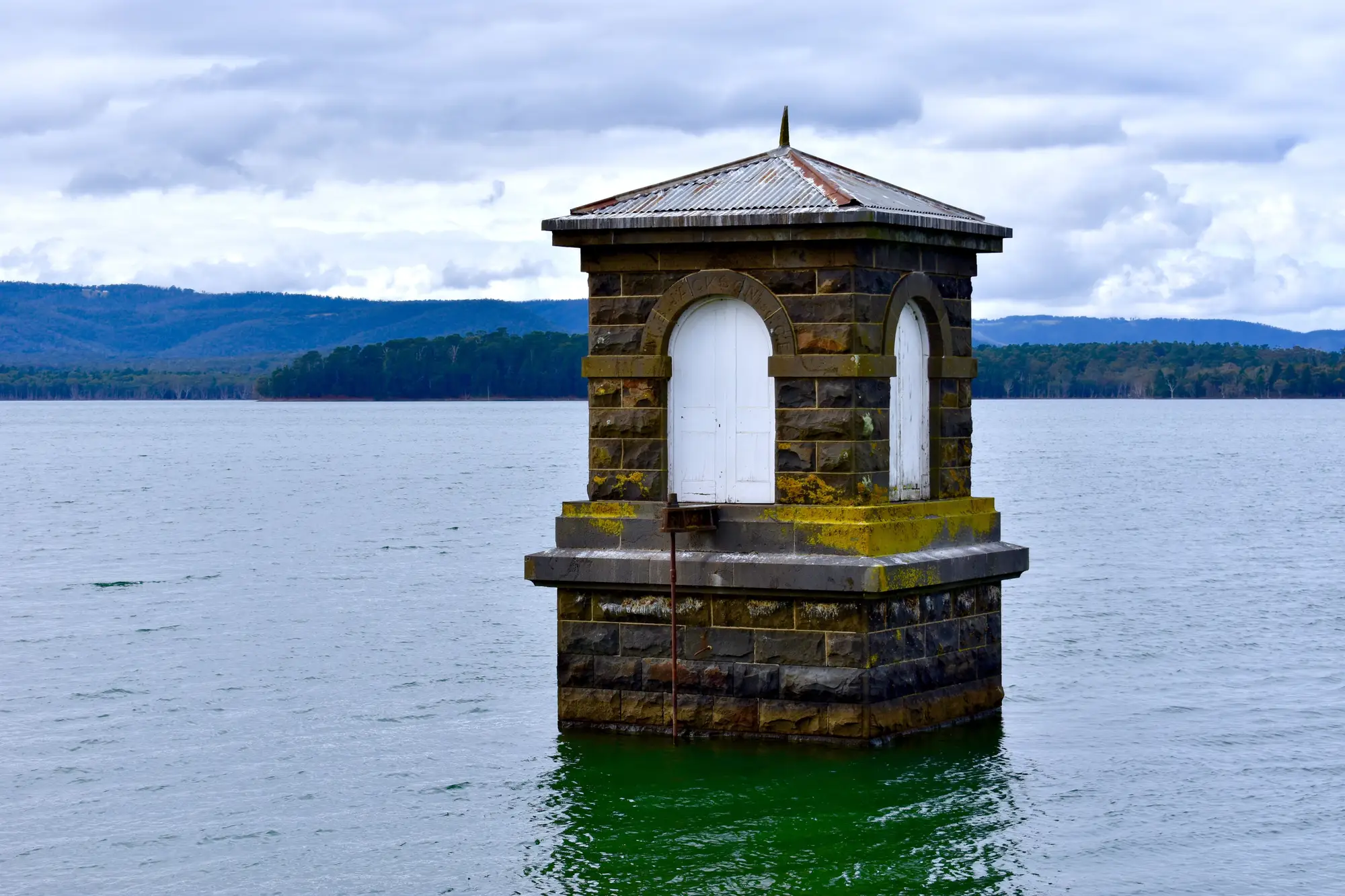 How to brief a treatment plant operator with a weekly clarity memo
A practical format for handing a weekly lake clarity memo to the plant operator, so coagulant dosing and intake decisions start before raw water arrives.
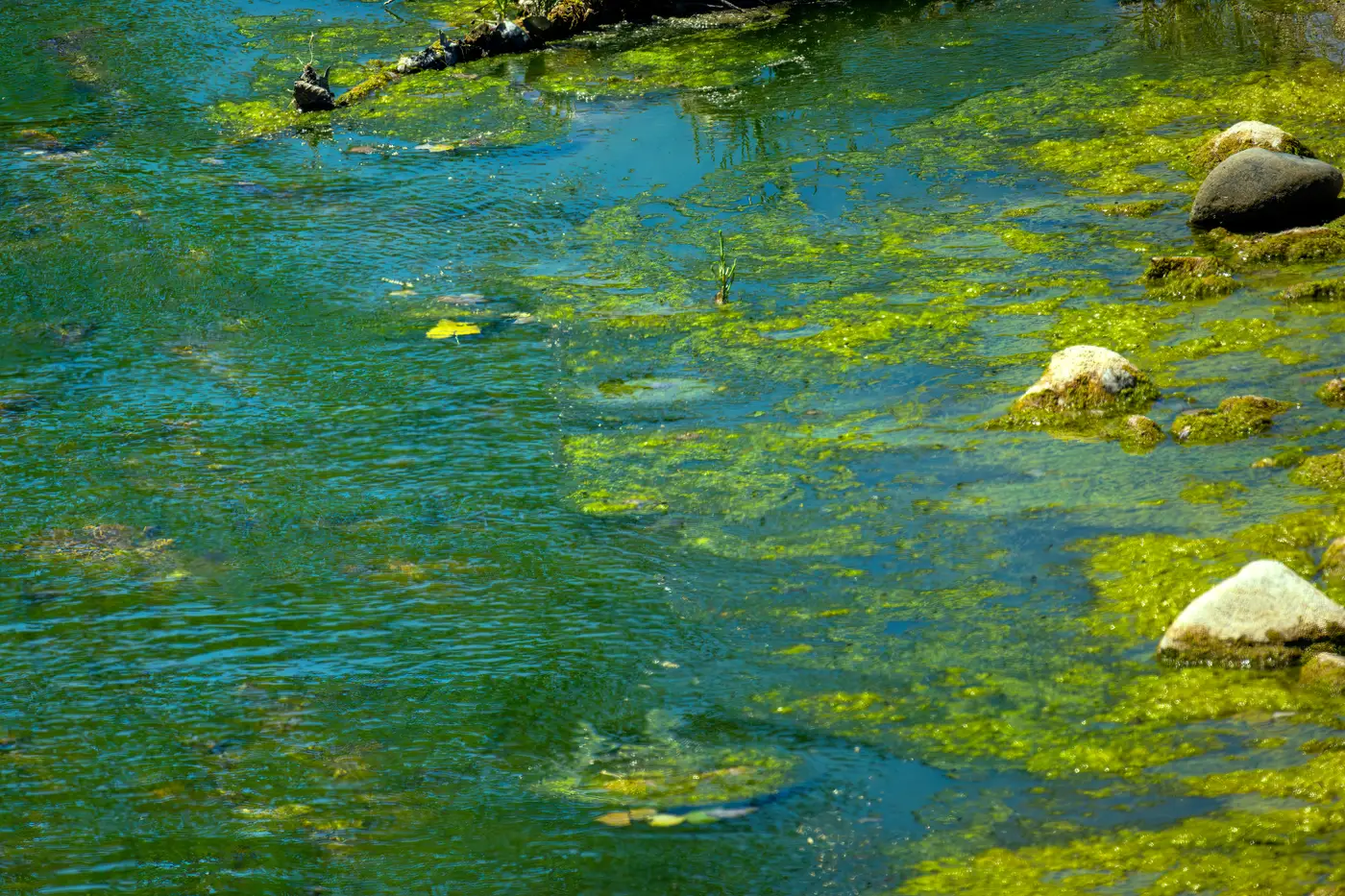 Chlorophyll-a vs. turbidity: what each number tells you about a lake
Chlorophyll-a and turbidity measure different things in a source lake. Here's what each number means for your intake and treatment plant.
 Field notes: the lake nobody had sampled in three years finally showed up on the list
A forgotten kettle lake drops off the sampling budget every spring. A weekly regional pass found it again and closed a three-year data gap.
- NTU vs FNU: which turbidity unit should a drinking water lab use?
A plain look at NTU vs FNU turbidity units, what drives the difference, and why your compliance method decides which one you report.
- What atmospheric correction does to a satellite chlorophyll-a number
Why chlorophyll-a readings jump between satellite passes with no algae event, and what atmospheric correction strips out before the number means anything.
- Setting a turbidity alert threshold for intake draw decisions
How to pick an NTU threshold that tells you when to switch raw water intakes, instead of guessing at a round number.
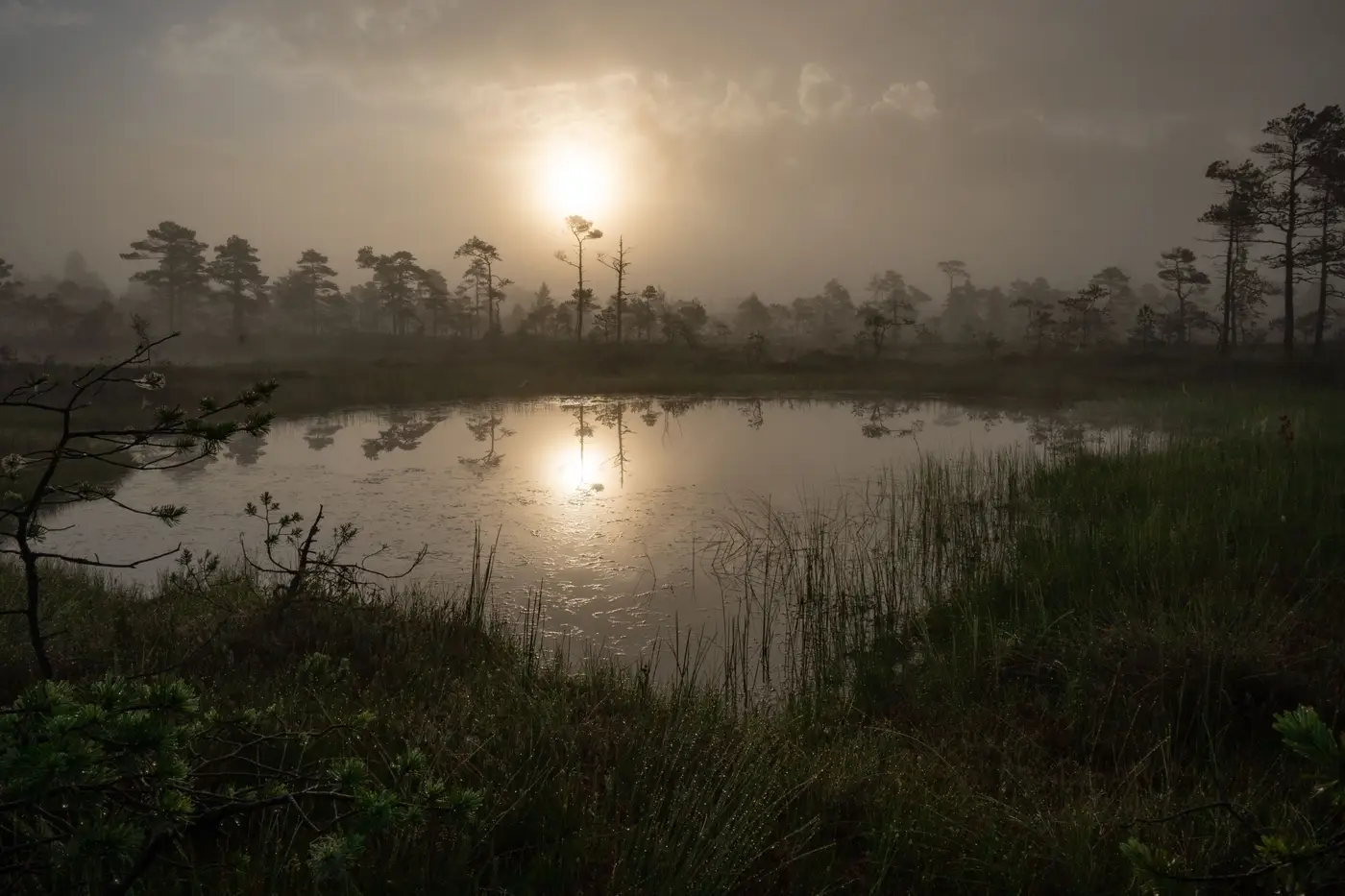 What CDOM Is, and Why It Fools Satellite Turbidity Readings
CDOM, the tannin-colored dissolved matter in bog and swamp-fed lakes, can skew satellite chlorophyll and turbidity numbers. Here's how.
- Geosmin and MIB: what triggers taste-and-odor complaints at the plant
Geosmin and MIB build up in live cyanobacteria and release on die-off, often during turnover, days before anyone smells it in finished water.
- How to prioritize boat sampling trips across a multi-lake source water network
A method for ranking which source lakes get the boat this week when you can't sample all of them, every week.
- Trophic state index explained for source water reservoirs
What TSI actually measures in a drinking-water reservoir, how chlorophyll, phosphorus and Secchi depth feed the score, and where it breaks down.
- Secchi disk depth vs. satellite clarity readings: what's the difference?
Secchi depth is the field standard for lake clarity. Here's how it relates to satellite-derived clarity readings and when to use each.