How to brief a treatment plant operator with a weekly clarity memo
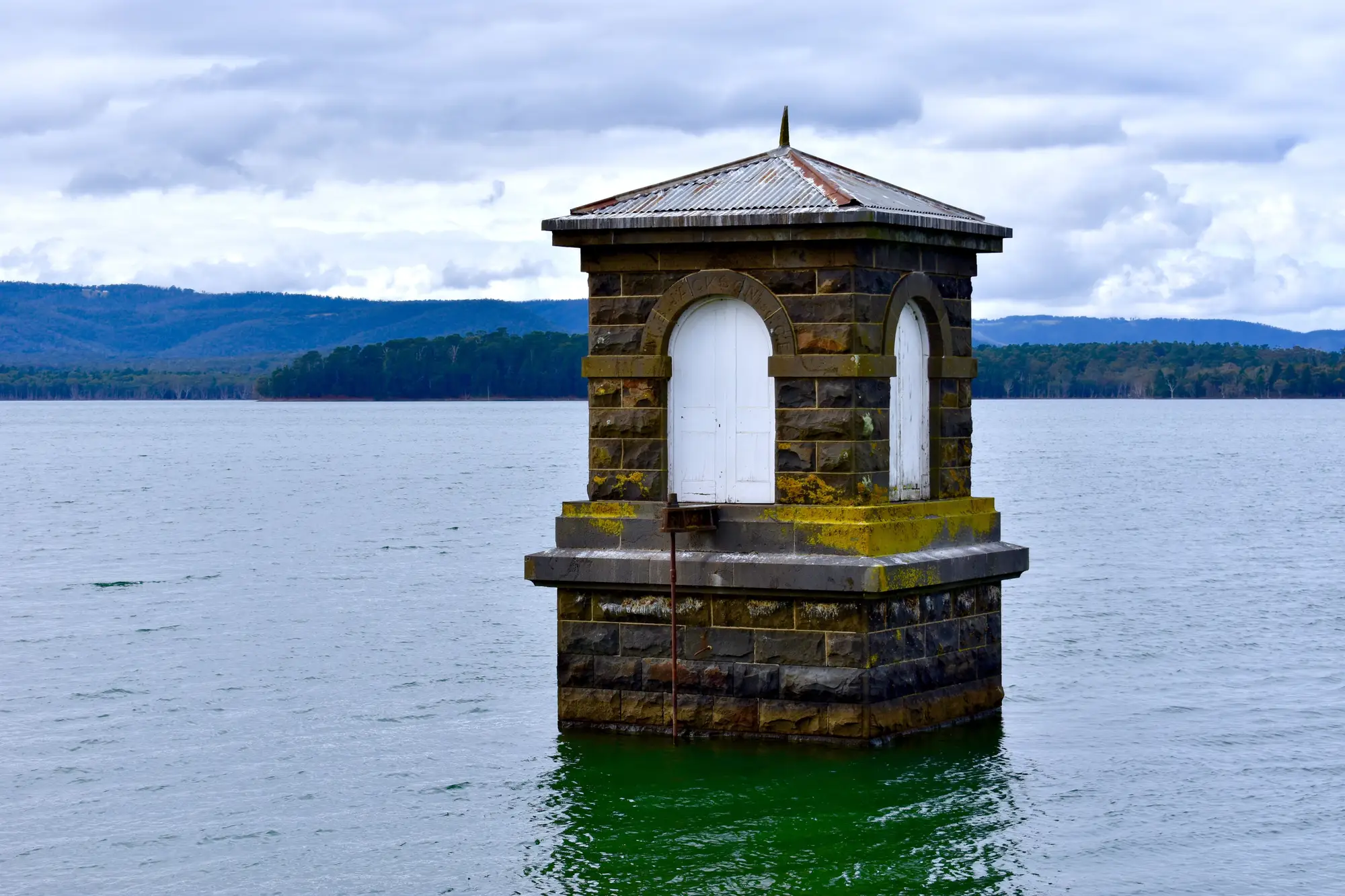
The handoff from source water monitoring to the treatment plant is where a lot of good data goes to waste. You've got a chlorophyll-a reading, a turbidity number, maybe a Secchi depth from the last boat run, and the operator needs to know one thing: does this week's raw water need a different coagulant dose than last week's. If your memo doesn't answer that in the first line, it's not doing its job.
What actually belongs in the memo
Operators read a lot of paper during a shift change. A clarity memo that works gets to the point fast and keeps the same shape every week so nobody has to relearn how to read it.
A memo per water body, numbered, is worth doing even if you only monitor three lakes. Operator #4 feeding the north plant doesn't want to scan a regional summary looking for their intake lake buried on page two. One lake, one memo, one number on the header. When a shift supervisor is flipping through a stack at 6 a.m., that's the difference between a two-second scan and a five-minute hunt.
Inside, keep it to four things:
- This week's chlorophyll-a and turbidity readings, with units the operator already uses
- The trend line, not just the number. Up from last week, down, flat. A single reading tells you where things stand; the trend tells you where they're headed
- A plain-language flag if either value crossed a threshold that's historically meant more coagulant, more settling time, or a pretreatment adjustment
- The date and source of the reading, so if someone questions it later, you're not reconstructing the chain from memory
Skip the caveats about sensor calibration and atmospheric correction. The operator doesn't need your methodology, they need your conclusion. If you want to document methodology, put it in a separate appendix and reference it, don't bury the number in it.
Why a weekly trend beats a single reading every time
A turbidity spike that shows up out of nowhere is alarming. A turbidity spike that's the fourth straight week of a slow climb is a different conversation entirely, and it's the one worth having before the water hits the plant. If your memo only ever shows this week's number, you're asking the operator to carry last week's figure in their head, and shift changes mean that number gets lost.
Put last week's reading next to this week's, every time. Three or four weeks of trend in a small sparkline or even just a column of numbers tells the operator whether they're looking at noise or a bloom building. That's the context that turns "turbidity is 8 NTU" into "turbidity is 8 NTU and climbing for the third week, plan accordingly."
Getting the handoff right
The source water handoff works best when it's routine, not an event. If the memo only shows up when something's wrong, operators start treating every memo as an emergency, and that's not sustainable for either side. A weekly cadence, arriving the same day, in the same format, lets the plant build the memo into their normal Monday-morning read instead of reacting to it.
It also helps to loop in whoever adjusts coagulant dosing directly, not just the shift supervisor. The memo is only useful if it reaches the person making the call on alum or PAC dose that day. A CC line or a shared folder beats a printout that sits in an inbox until Wednesday.
One more thing worth building into the routine: make the memo the single source of truth for that lake's clarity status that week. If the operator is also fielding a verbal update from the field crew that doesn't match the memo, you've created confusion instead of clarity. Whoever owns the memo owns the number for that week, full stop.
If you're monitoring more lakes than your boat crew can realistically sample every week, a tool like Water Quality Retrieval's weekly satellite-based readings can fill in the memo for water bodies you'd otherwise only check once a season, so every intake gets a current number instead of a stale one.
Get in touch to see what a weekly memo for your region's lakes would actually look like.